


دی خیبر ٹائمز رپورٹ:
پاکستان کی تاریخ کا سب سے بڑا المیہ کسی جنگ یا زلزلے میں نہیں، بلکہ اس ملک کی بند بستیوں، دور دراز دیہاتوں اور شہروں کے گندے نالوں کے کنارے رہنے والے ڈھائی کروڑ سے زائد معصوم بچوں کی آنکھوں میں روز دفن ہوتا ہے۔ سول سروسز اکیڈمی (CSA) کی جانب سے جاری کی جانے والی ایک حالیہ اور انتہائی ہوش ربا پالیسی رپورٹ نے ریاست کے ان تمام دعووں کا جنازہ نکال دیا ہے جو وہ قومی تعلیمی ایمرجنسی کے نام پر گزشتہ کئی سالوں سے کر رہی ہے۔ آئینِ پاکستان کا آرٹیکل 25-اے ہر بچے کو مفت اور لازمی تعلیم کی ضمانت دیتا ہے، لیکن حقیقت یہ ہے کہ یہ آئینی کتاب اب ان معصوموں کا تمسخر اڑا رہی ہے۔ پاکستان آج دنیا میں تعلیمی محرومی کا دوسرا سب سے بڑا بوجھ اٹھانے والا ملک بن چکا ہے، جہاں 2 کروڑ 51 لاکھ سے لے کر 2 کروڑ 60 لاکھ تک بچے اسکول کی دہلیز تک پہنچنے سے محروم ہیں۔
یہ تعلیمی قحط راتوں رات نازل نہیں ہوا۔ رپورٹ واضح کرتی ہے کہ 1990 کی دہائی سے لے کر 2010 تک، اکیڈمی آف ایجوکیشنل پلاننگ اینڈ مینجمنٹ (AEPAM) بچوں کو اسکول لانے کے نام پر بجٹ ہضم کرتی رہی، لیکن سرکاری انفراسٹرکچر آبادی میں اضافے کی رفتار کا ساتھ نہ دے سکا۔ نتیجہ یہ نکلا کہ غریبوں کے بچے تعلیم سے بالکل ہی محروم ہو گئے یا پھر کم لاگت نجی اسکولوں کی شکل میں تعلیم ایک بیوپار بن گئی۔ غربت، آبادی کا طوفان اور تعلیم پر مسلسل کم سرمایہ کاری نے اس بحران کو ناسور بنا دیا ہے۔ 8 مئی 2024 کو وفاقی حکومت نے بڑے طمطراق کے ساتھ جس قومی تعلیمی ایمرجنسی کا اعلان کیا تھا، وہ سیاسی ایوانوں میں واہ واہ سمیٹنے کے بعد اب گہرے ساختی مسائل، مالی کمزوریوں، غیر مربوط انتظامی ڈھانچے اور ناقص گورننس کے ملبے تلے دب کر دم توڑ چکی ہے۔ سول سروسز اکیڈمی کے پانچ پالیسی اینالیسز گروپس نے جب ملک گیر نظام کا باریک بینی سے جائزہ لیا، تو معلوم ہوا کہ مسئلہ پالیسیوں کا نہیں، بلکہ اس نظام کو چلانے والے دلوں کی بے حسی کا ہے۔ تمام صوبوں نے قومی تعلیمی ایکشن پلان (NEAP) 2026 کے تحت کاغذوں پر تو بڑے پرعزم منصوبے بنائے، مگر وہ کاغذ آج بھی فائلوں میں بند سڑ رہے ہیں۔
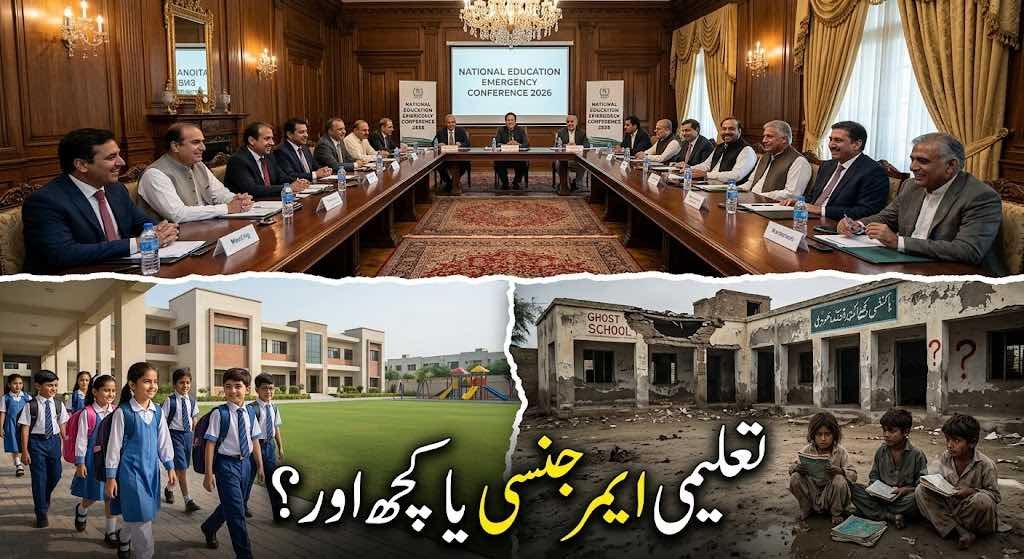
رپورٹ نے پاکستان کے چہرے پر لگے اس زخم کو صوبہ بہ صوبہ بے نقاب کیا ہے، جس سے ظاہر ہوتا ہے کہ ہر خطے کا بچہ ایک الگ مقتل میں کھڑا ہے۔ پنجاب اس وقت ملک میں تعلیمی بربادی کا سب سے بڑا بوجھ اٹھائے ہوئے ہے، جہاں 96 لاکھ سے ایک کروڑ 4 لاکھ کے درمیان بچے اسکولوں سے باہر ہیں۔ پنجاب اسکول ایجوکیشن ڈیپارٹمنٹ کی 2026 کی رپورٹ بتاتی ہے کہ 64 لاکھ معصوموں نے زندگی میں کبھی اسکول کا منہ تک نہیں دیکھا، جبکہ 31 لاکھ 60 ہزار بچے غربت کی وجہ سے پڑھائی ادھوری چھوڑ کر چائلڈ لیبر کی دلدل میں اتر چکے ہیں۔ دوسری طرف سندھ میں پرائمری اسکول کے بعد تعلیمی نظام تاش کے پتوں کی طرح بکھر جاتا ہے، جہاں رہی سہی کسر موسمیاتی آفات اور سیلابوں نے پوری کر دی ہے اور اسکولوں کی عمارتیں اب بھوت بنگلوں کا منظر پیش کرتی ہیں۔ خیبرپختونخوا میں برسوں کی شورش، دہشتگردی کے سائے، دشوار گزار پہاڑی راستے اور خواتین اساتذہ کی شدید کمی نے بچیوں کے ماتھے سے علم کا نور چھین لیا ہے، جبکہ بلوچستان وسیع وعریض فاصلوں، شدید کمزور اداروں اور ہزاروں غیر فعال (Ghost) اسکولوں کے باعث مایوسی کا صحرا بن چکا ہے جہاں بچہ اسکول کی عمارت تو دیکھتا ہے، مگر وہاں نہ استاد ہوتا ہے نہ بلیک بورڈ۔ وفاقی علاقوں میں بھی بظاہر بہتر اندراج کے باوجود اندرونی عدم مساوات کی خلیج گہری ہے۔
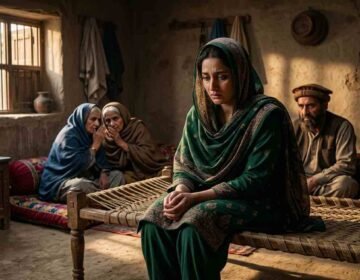
یہ ڈھائی کروڑ بچے صرف ایک عدد نہیں ہیں۔ یہ ڈھائی کروڑ مائیں ہیں جن کی امیدیں دم توڑ چکی ہیں، یہ ڈھائی کروڑ باپ ہیں جو غربت کے ہاتھوں مجبور ہو کر اپنے بچوں کے ہاتھوں سے قلم چھین کر اوزار تھما رہے ہیں۔ یہ پاکستان کے مستقبل کا وہ جنازہ ہے جو روزانہ ہمارے حکمرانوں کی چمکتی گاڑیوں کے سامنے سے گزرتا ہے، مگر ان کی شیشے لگی گاڑیوں تک ان معصوموں کی سسکیاں نہیں پہنچ پاتیں۔ اگر 2026 میں بھی ہم قومی تعلیمی ایمرجنسی کے نام پر صرف کاغذی کارروائی کر رہے ہیں، تو یاد رکھئے، ہم ایک جاہل، بکھری ہوئی اور مایوس نسل تیار کر رہے ہیں جو کل اس ریاست سے اپنے چھینے ہوئے بچپن کا حساب خون سے لے گی۔
یہ بھی پھڑئے:
______________________________________________________
The Chronicle of Wasted Futures: A Grim Inside Look at Pakistan’s Educational Decay
EXCLUSIVE POLICY SUMMARY | THE KHYBER TIMES
A scathing comparative policy review by the Civil Services Academy (CSA) has laid bare the catastrophic failure of Pakistan’s education system, exposing the state’s high-profile “National Educational Emergency” as a hollow political stunt. Despite the grand declarations made over two years ago on May 8, 2024, the state has failed to salvage the futures of over 25 million out-of-school children (OOSC). Trapped under the weight of deep-rooted structural rot, chronic underfunding, administrative paralysis, and stark provincial disparities, Pakistan currently shoulders the second-highest burden of educational deprivation in the entire world. While Article 25-A of the Constitution guarantees free and compulsory education as a fundamental right, this constitutional promise remains a cruel mockery for nearly 26 million children currently left out in the cold.
This educational famine is not a sudden disaster but the culmination of decades of systemic apathy and criminal neglect. Data from the Pakistan Institute of Education (PIE) reveals that since the 1990s, state infrastructure has utterly failed to keep pace with rapid population growth. Decades of underinvestment turned education into a commercial commodity, forcing the poor into low-cost private setups or out of the system entirely. Conducted by five Policy Analysis Groups at the Pakistan Administrative Service campus, the CSA report evaluated regional frameworks across Pakistan and concluded that while all provinces drafted ambitious roadmaps under the National Education Action Plan (NEAP) 2026, the tragedy lies not in policy creation, but in a complete lack of executive will and institutional capability to implement them.
The report highlights that a uniform national strategy is useless because each region is trapped in its own unique nightmare:
Punjab (The Epicenter of Deprivation): Bearing the heaviest burden in the country, Punjab accounts for a staggering 9.6 to 10.4 million out-of-school children. Shockingly, a 2026 baseline report reveals that 6.4 million of these children have never even stepped inside a classroom, while another 3.16 million dropped out due to crushing poverty, highlighting a brutal retention crisis.
Sindh (A Collapsing Pipeline): The primary education structure here completely disintegrates past the initial years. This institutional failure has been exacerbated by recurring climate disasters, leaving countless school buildings standing as hollow, abandoned ruins.
Khyber Pakhtunkhwa (The Scars of Conflict): In our home province, the toxic legacy of militancy, unforgiving terrains, and a severe shortage of female educators have combined to systematically deny young girls their basic right to learn.
Balochistan (The Desert of Despair): Plagued by vast geographical distances, broken institutions, and thousands of non-functional “ghost” schools, children here are left staring at empty buildings devoid of both teachers and books.
The Khyber Times Take:
These 26 million out-of-school children are not mere data points on a bureaucratic ledger; they represent an entire generation systematically abandoned by the state. They are millions of shattered dreams, millions of mothers robbing themselves of hope, and millions of fathers forced by poverty to trade their children’s pens for tools of hard labor. If, even in 2026, the state’s response to an educational catastrophe is limited to paper plans and ceremonial meetings, we are actively breeding a disillusioned, broken generation. When the status quo finally breaks, this neglected generation will demand accountability from a state that traded their childhood for political optics.