


دی خیبرٹائمز ویب ڈیسک
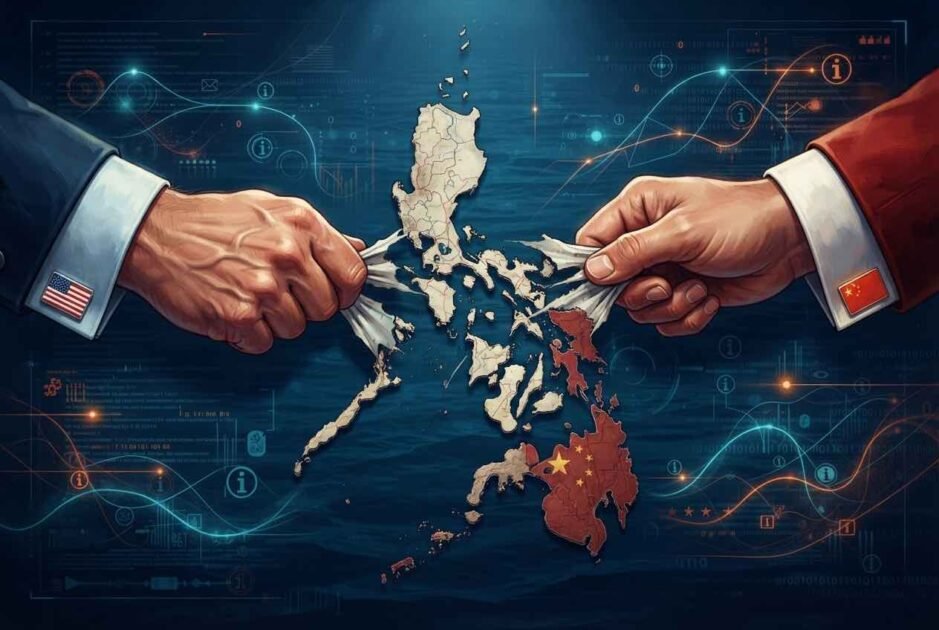
انڈو پیسیفک خطے میں امریکہ اور چین کے درمیان جاری اسٹریٹجک رسہ کشی اب عالمی سیاست کا مرکز بن چکی ہے، اور اس کشمکش کا سب سے حساس اور کلیدی میدان فلپائن بن چکا ہے۔ جغرافیائی لحاظ سے فلپائن “فرسٹ آئی لینڈ چین” (First Island Chain) پر واقع ہے اور لوزون اسٹریٹ (Luzon Strait) کے ساتھ ساتھ بحیرہ جنوبی چین (جسے فلپائن میں “ویسٹ فلپائن سی” کہا جاتا ہے) کے اہم ترین بحری تجارتی راستوں کا محافظ ہے۔ یہاں جاری سفارتی، معاشی اور معلوماتی جنگ اس بات کا احاطہ کرتی ہے کہ کس طرح دنیا کی دو بڑی طاقتیں ایک دوسرے کو مات دینے کیلئے کوشاں ہیں۔
۱۔ جنوب مشرقی ایشیا اور فلپائن میں اسٹریٹجک مسابقت اور امریکی مقاصد
فلپائن کی خارجہ پالیسی میں حالیہ برسوں میں ایک ڈرامائی تبدیلی دیکھنے میں آئی ہے۔ سابق صدر روڈریگو ڈوٹرٹے(2016-2022) کے دور میں فلپائن نے واشنگٹن سے فاصلہ اختیار کرتے ہوئے بیجنگ کے ساتھ قریبی معاشی روابط استوار کئے اور 2016
کے ہیگ ثالثی عدالت کے اس فیصلے کو پسِ پشت ڈالا جو بحیرہ جنوبی چین پر چین کے تاریخی دعووں کو مسترد کرتا تھا۔
تاہم 2022 میں صدر فرڈینینڈ مارکوس جونیئر کے اقتدار میں آنے کے بعد صورتحال یکسر بدل گئی۔ مارکوس انتظامیہ نے امریکہ کے ساتھ اپنے دیرینہ دفاعی اتحاد کو بحال کیا اور واشنگٹن کی “سرمایہ کاری کریں، ہم آہنگ ہوں اور مقابلہ کریں” (Invest, Align, Compete) کی پالیسی کے تحت درج ذیل اسٹریٹجک اہداف کو اپنایا:
عسکری موجودگی کی توسیع: “انہانسڈ ڈیفنس کوآپریشن ایگریمنٹ” (EDCA) کے تحت فلپائن میں امریکی افواج کیلئے فوجی اڈوں کی رسائی 5 سے بڑھا کر 9 کر دی گئی ہے، جن میں سے کئی اڈے براہ راست تائیوان اور بحیرہ جنوبی چین کے قریب واقع ہیں۔
بیجنگ کے دباؤ کا توڑ: بحیرہ جنوبی چین میں چینی کوسٹ گارڈ کے جارحانہ اقدامات (مثلاً سیکنڈ تھامس اور اسکاربورو شول پر تصادم) کو عالمی سطح پر اجاگر کر کے چین پر سفارتی دباؤ بڑھانا۔
معاشی متبادل: فلپائن کو چین کے “بیلٹ اینڈ روڈ انیشیٹو” (BRI) اور ڈیجیٹل سلک روڈ کے مقابلے میں شفاف اور متبادل امریکی و اتحادی ماڈل فراہم کرنا۔
۲۔ امریکی فنڈنگ فریم ورک: 11 ارب ڈالر کا حقیقت پسندانہ پس منظر
چین کے عالمی اثر و رسوخ بالخصوص جنوب مشرقی ایشیا میں اس کے پاؤں پھیلانے کے عمل کو روکنے کیلئے امریکی قانون سازوں نے ایک کثیر السالہ مالیاتی ڈھانچہ تشکیل دیا ہے۔ بین الاقوامی مباحثوں میں اکثر “11 ارب ڈالر” کی امریکی فنڈنگ کا ذکر کیا جاتا ہے، جو حقیقت میں کسی ایک ملک کو ملنے والی نقد رقم نہیں بلکہ امریکی کانگریس کے سامنے پیش کردہ “Out-Compete the PRC” پیکیج کا مجموعی حجم ہے۔
اس فنڈنگ فریم ورک کی اہم اکائیاں درج ذیل ہیں:
کاؤنٹرنگ پی آر سی انفلوئنس فنڈ (CPIF): چین کے سیاسی اثر و رسوخ اور بیانئے کو کاؤنٹر کرنے کیلئے سالانہ 400 ملین ڈالر مختص ہیں۔
اسٹریٹجک ہارڈ انفراسٹرکچر پروگرام: چینی BRI کے متبادل شفاف بنیادی ڈھانچے کیلئے 200 ارب ڈالر۔
انڈو پیسیفک اکانومیز اسٹرینتھننگ فنڈ: خطے کی معیشتوں کو چینی معاشی دباؤ سے نکالنے کیلئے 200 ارب ڈالر۔
ڈی ایف سی ریوالونگ فنڈ: نجی شعبے کی سرمایہ کاری کیلئے 200 ارب ڈالر۔
جمہوری تجدید اور انسانی حقوق: آزاد صحافت، گڈ گورننس اور سول سوسائٹی کی معاونت کیلئے 3.4 ارب ڈالر سے زائد۔
فلپائن اس مالیاتی نیٹ ورک کا ایک بڑا حاصل کنندہ ہے، جہاں کیپیسٹی بلڈنگ اور میڈیا فنڈنگ کے ذریعے واشنگٹن اپنے اسٹریٹجک مقاصد حاصل کرتا ہے۔
۳۔ امریکی ایجنسیوں کا آپریشنل میکانزم اور بیانئے کی تشکیل
فلپائن میں چین کے خلاف فکری و معلوماتی محاذ گرم رکھنے کیلئے امریکی سرکاری ادارے اور تھنک ٹینکس ایک مربوط نظام کے تحت سرگرم ہیں:
گلوبل انگیجمنٹ سینٹر (GEC): امریکی محکمہ خارجہ کا یہ ادارہ چینی معلوماتی مہمات کی نگرانی کرتا ہے اور فلپائنی میڈیا کو فیکٹ چیکنگ کے آلات فراہم کرتا ہے۔
امریکی ایجنسی برائے گلوبل میڈیا (USAGM): “وائس آف امریکہ” اور “بنار نیوز” جیسے پلیٹ فارمز کے ذریعے فلپائنی اور انگریزی زبانوں میں بحیرہ جنوبی چین کی کشمکش اور چینی منصوبوں کی خامیوں پر باقاعدہ رپورٹس شائع کی جاتی ہیں۔
نیشنل اینڈومنٹ فار ڈیموکریسی (NED) اور USAID: یہ ادارے فلپائن میں آزاد صحافت، انسداد بدعنوانی اور گڈ گورننس کے نام پر مقامی این جی اوز اور تحقیقی نیٹ ورکس کو بھاری گرانٹس فراہم کرتے ہیں۔
4 ۔ انفلوئنسرز اور میڈیا کی اسکریننگ کا سخت نظام
امریکہ کی جانب سے فلپائن میں فنڈز کی تقسیم اور مقامی شراکت داروں (صحافیوں، این جی اوز اور ڈیجیٹل انفلوئنسرز) کے انتخاب کیلئے ایک سخت جانچ پڑتال کا نظام (Vetting Criteria) نافذ ہے:
قانونی شناخت: ادارے یا این جی او کے پاس کم از کم 3 سال کا مصدقہ تجربہ اور شفاف مالیاتی آڈٹ ہسٹری ہونی چاہئے۔
بیانیے کی ہم آہنگی: فنڈز کیلئے ان اداروں کو ترجیح دی جاتی ہے جو قانون کی حکمرانی، جمہوری شفافیت اور بحری خودمختاری کے موضوعات پر کام کرتے ہوں۔
. نسلی و عمری رسائی (Demographic and Age Reach):
سوشل میڈیا انفلوئنسرز اور تخلیق کاروں کے انتخاب کے عمل میں اس بات کا خصوصی جائزہ لیا جاتا ہے کہ ان کی رسائی Gen Z اور Millennials (نوجوان نسل) تک کتنی مؤثر ہے، اور ان کے اکاؤنٹس کی اینگیجمنٹ ریٹ (Engagement Rate) کیا ہے، کیونکہ نوجوان طبقہ اس بیانئے اور حکمت عملی کا بنیادی ہدف ہوتا ہے۔. ڈیجیٹل لٹریسی: منتخب افراد کو براہ راست سیاسی ایجنڈا دینے کی بجائے “فیکٹ چیکنگ” اور “میڈیا لٹریسی” کی تربیت دی جاتی ہے تاکہ وہ غیر جانبدار دکھائی دیں۔
۵۔ فلپائنی سیاست، میڈیا اور مذہبی صف بندی
اس اسٹریٹجک معرکے نے فلپائن کے داخلی ڈھانچے کو واضح طور پر تقسیم کر رکھا ہے:
سیاسی میدان: صدر مارکوس جونیئر کی انتظامیہ امریکی دفاعی اتحاد اور “مضبوط شفافیت” (Assertive Transparency) کی حامی ہے، جبکہ سابق صدر روڈریگو ڈوٹرٹے کا کیمپ چین کے ساتھ محاذ آرائی کا سخت مخالف ہے۔
میڈیا نیٹ ورکس: “ریپلر” (Rappler) اور فلپائن سینٹر فار انویسٹیگیٹو جرنلزم جیسے ادارے بین الاقوامی تعاون سے گڈ گورننس اور چینی اثر و رسوخ پر تنقیدی کوریج کرتے ہیں۔ دوسری طرف، فلپائنی کوسٹ گارڈ کے ترجمان کموڈور جے ٹیریلا کی قیادت میں “Assertive Transparency” کی حکمت عملی اپنائی گئی ہے، جس کے تحت چینی بحری جہازوں کے واٹر کینن استعمال کرنے کی ویڈیو فوٹیجز کو براہ راست دنیا کے سامنے لایا جاتا ہے تاکہ بیجنگ کا عالمی تشخص مجروح ہو۔
مذہی اثر و رسوخ: فلپائن کی کیتھولک بشپس کانفرنس (CBCP) کا عوامی سطح پر گہرا اثر ہے، جو روایتی طور پر قومی خودمختاری اور ماہی گیروں کے حقوق کی حمایت کے ذریعے بالواسطہ طور پر عوامی رجحانات کو چین مخالف لکیر پر استوار کرنے میں اہم کردار ادا کرتی ہے۔
۶۔ چینی منصوبے اور چین کو بدنام کرنے کے محرکات
فلپائن میں چین کے کئی اہم معاشی و انفراسٹرکچر منصوبے مقامی میڈیا کی تنقید اور امریکی پروپیگنڈا کا بنیادی ہدف بنے ہیں:
منسوخ شدہ ریلوے پروجیکٹس: ڈوٹرٹے دور میں طے پانے والے اربوں ڈالر کے ریلوے معاہدے (مثلاً سوبک کلارک اور منڈاناؤ ریلوے) مالیاتی تاخیر اور بیجنگ کی کڑی شرائط کے باعث مارکوس حکومت نے منسوخ کر دئے، جنہیں میڈیا نے “جھوٹے وعدوں” کے طور پر پیش کیا۔
ڈیٹو ٹیلی کمیونٹی (Dito Telecom): اس تیسری بڑی ٹیلی کام کمپنی میں چین ٹیلی کام کے حصص ہیں، اور ملٹری کیمپس کے اندر اس کے ٹاورز کی تنصیب پر سائبر جاسوسی اور قومی سلامتی کے شدید خدشات ظاہر کیے گئے۔
کالیوا ڈیم اور لینڈ ریکلیمیشن: منیلا بے میں سمندر کو خشک کر کے زمین بنانے کے چینی منصوبوں اور کالیوا ڈیم کو ماحولیاتی تباہی اور “ڈیٹ ٹریپ” (قرضوں کے جال) کے طور پر اجاگر کیا گیا۔
امریکہ کی طرف سے شفافیت کے فروغ، اسٹریٹجک فنڈنگ، اور فلپائنی حکام کی “Assertive Transparency” کی پالیسی کے امتزاج نے فلپائن کے سیاسی اور عوامی ماحول پر گہرے نقوش چھوڑے ہیں۔ ان تمام اقدامات کے نتیجے میں فلپائن کے عوام میں چین کے خلاف سخت ردِعمل پیدا ہوا ہے، اور تازہ ترین جائزوں کے مطابق تقریباً 86 فیصد فلپائنی شہری اب چین کو اپنے ملک کی قومی سلامتی کیلئے “سب سے بڑا خطرہ” تصور کرتے ہیں۔ فلپائن کی یہ صورتحال اس بات کا منہ بولتا ثبوت ہے کہ کس طرح جدید میڈیا، فنڈڈ این جی اوز اور مالیاتی دباؤ کے ذریعے روایتی جنگ کے بغیر بھی عالمی طاقتیں اپنے حریفوں کے اثر و رسوخ کو محدود کر سکتی ہیں۔
Summery
Strategic Competition Between the US and China in the Philippines: Geopolitical Rivalry, Financial Frameworks, and Narrative Warfare
1. Strategic Competition and US Foreign Policy Objectives in the Philippines
The strategic rivalry between the United States and China in the Indo-Pacific region has made the Philippines a crucial geopolitical focal point. Situated on the First Island Chain, the Philippines holds vital maritime choke points along the Luzon Strait and the South China Sea (referred to in the Philippines as the West Philippine Sea).
Following a diplomatic shift under former President Rodrigo Duterte (2016-2022) who distanced Manila from Washington and shelved the 2016 Hague Arbitral Tribunal ruling against Beijing’s historical claims President Ferdinand Marcos Jr. reversed course upon taking office in 2022. The Marcos administration restored the historic Mutual Defense Treaty with the US and adopted Washington’s “Invest, Align, Compete” strategy to achieve key objectives:
- Expansion of Military Presence: Expanding US military access from 5 to 9 bases under the Enhanced Defense Cooperation Agreement (EDCA), some positioned directly opposite Taiwan and the South China Sea.
- Countering Chinese Assertiveness: Amplifying Beijing’s aggressive maritime actions (such as standoffs at Second Thomas Shoal and Scarborough Shoal) on local and global stages to exert diplomatic pressure.
- Economic and Digital Alternatives: Providing transparent Western and allied alternatives to China’s Belt and Road Initiative (BRI) and Digital Silk Road.
2. US Funding Framework and the $11 Billion Financial Package
To counter China’s global influence, the US Congress established an interagency financial architecture. While international debates frequently cite an “$11 billion” funding figure for the Philippines and Southeast Asia, official documents reveal this is not a cash transfer to a single nation, but rather the cumulative total of the “Out-Compete the PRC” legislative package.
The structure of this strategic budget package includes:
- Countering PRC Influence Fund (CPIF): $400 million annually to counter Chinese political interference and unilateral narratives.
- Strategic Hard Infrastructure Program: $2.0 billion for transparent infrastructure as a substitute for the BRI.
- Indo-Pacific Economies Strengthening Fund: $2.0 billion to build economic resilience against Chinese pressure.
- DFC Revolving Fund: $2.0 billion to boost private sector equity via the Development Finance Corporation.
- Democratic Renewal, Anti-Corruption, and Human Rights: Over $3.4 billion dedicated to transparency, independent journalism, civil society, and anti-corruption frameworks.
3. Operational Mechanisms of US Agencies and Intermediaries
A synchronized network of US government agencies and third-party institutions drives the narrative war and exposes Chinese activities in the Philippines:
- Global Engagement Center (GEC): Collaborates with INDOPACOM to identify Chinese disinformation campaigns and equip local NGOs and media with fact-checking tools.
- US Agency for Global Media (USAGM): Finances outlets like Voice of America and BenarNews, which publish investigative reports in English and Filipino regarding South China Sea tensions and Chinese project flaws.
- National Endowment for Democracy (NED) & USAID: Provide substantial grants to civil society organizations focusing on free press, anti-corruption, and good governance (e.g., the RESPECT program).
- US Embassy in Manila (PAS): Utilizes small grants programs and the “YSEALI” youth network to conduct anti-disinformation workshops for local influencers and reporters.
4. Screening and Vetting Criteria for Influencers, Media, and NGOs
Washington enforces a rigorous vetting system for recruiting and funding local partners in the Philippines:
- Legal Status and Experience: Organizations must possess at least 3 years of verified operating experience, legal registration, and transparent audited financial histories.
- Narrative Alignment: Priority is given to entities and online accounts focusing on freedom of expression, good governance, the rule of law, and maritime sovereignty.
- Audience Reach and Demographics: Social media influencers are selected based on engagement rates, ground-level influence, and specific reach among Gen Z and Millennials (the younger generation).
- Digital Literacy Training: Selected individuals are trained in media literacy and digital fact-checking rather than receiving direct political directives, maintaining an aura of objectivity.
5. Internal Alignment: Politics, Media, and Religious Groups
The geopolitical struggle has visibly fractured domestic factions within the Philippines:
- Political Sphere: The Marcos Jr. administration and allied parties (e.g., Lakas-CMD) strongly support the US defense alliance and “Assertive Transparency,” whereas the Duterte camp (including Vice President Sara Duterte and PDP-Laban) strongly opposes confrontation with Beijing. Local governors, such as Manuel Mamba of Cagayan, also resisted new EDCA bases over fears of harming trade and investment.
- Media Networks: Investigative outlets like Rappler and the Philippine Center for Investigative Journalism (PCIJ) receive international backing to report critically on governance and foreign influence. Meanwhile, the Philippine Coast Guard (PCG), led by Commodore Jay Tarriela, utilizes “Assertive Transparency” by embedding journalists on frontline patrols to live-stream Chinese water-cannon attacks and laser deployments, severely damaging Beijing’s global image. Pro-China outlets like SMNI faced regulatory crackdowns under the Marcos administration.
- Religious Groups: While religious networks like Apollo Quiboloy’s KOJC supported the Duterte camp, the Catholic Bishops’ Conference of the Philippines (CBCP) wields massive moral influence, historically opposing communist ideologies and supporting fishermen’s rights and national sovereignty, which indirectly shapes public opinion against Beijing.
6. Chinese Projects and Controversies
Several Chinese economic and infrastructure projects have become prime targets for media scrutiny and US counter-propaganda:
- Cancelled BRI Railway Projects: Billions in railway pledges from the Duterte era (such as the Subic-Clark Railway, Mindanao Railway, and PNR Bicol line) were cancelled by the Marcos administration in 2023 due to financing delays and rigid terms, and were framed in media narratives as “empty promises”.
- Dito Telecommunity: China Telecom holds 40 percent shares in this major telecom firm; installing cell towers inside Armed Forces of America/Philippine military camps triggered severe national security and cyber-espionage concerns raised by US experts and local media.
- Kaliwa Dam, Chico River, and Manila Bay Reclamation: Funded or constructed by Chinese state enterprises (such as CCCC), these projects faced fierce opposition from local NGOs over environmental risks, native land encroachment, high interest rates, and “debt-trap” diplomacy.
7. Strategic Outcomes and Public Sentiment
The combination of transparency initiatives, diplomatic pressure, and local media alignment has profoundly transformed the socio-political landscape of the Philippines:
- Shift in Public Opinion: Persistent media exposure has triggered strong public backlash against Chinese policies, with recent polls indicating that roughly 76 percent of Filipinos view China as the biggest threat to national security.
- Sustainability of Defense Alliances: The Marcos administration has firmly anchored the country into trilateral and quadrilateral security frameworks with the US, Japan, and Australia.
•Conclusion: The case of the Philippines illustrates how major powers can effectively curb rival geopolitical influence without conventional warfare, relying instead on media transparency, NGO funding, and the systematic exposure of competitors’ project vulnerabilities.
About the Author
Nasir Dawar is a field journalist, researcher, and editor of The Khyber Times, with extensive experience covering militancy, conflict, and security developments in Khyber Pakhtunkhwa and the former FATA. He has closely followed the Afghan conflict and developments in Afghanistan, with a particular focus on militancy, cross border security, and Pakistan, Afghanistan relations.
Dawar has reported extensively from conflict affected areas and has developed a specialized research focus on militant movements, regional security dynamics, and Afghan affairs. He serves as the Editor of The Khyber Times.
Contact: dawarjan@gmail.com