


رپورٹر: مشعل خان
جب یوٹیوب اور دیگر پلیٹ فارمز پر پابندی کا سامنا ہے، تو طلباء اپنی پڑھائی جاری رکھنے کیلئے مفت وی پی اینز (فری ورچوئل پرائیویٹ نیٹ ورکس) کا رخ کر رہے ہیں، جبکہ سائبر سیکیورٹی کے ماہرین خبردار کرتے ہیں کہ ان کا ڈیٹا ہی اصل پروڈکٹ بن رہا ہے۔
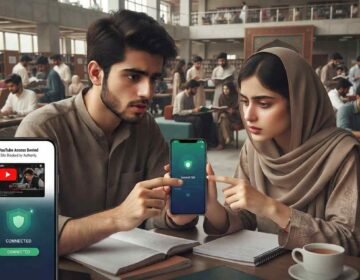
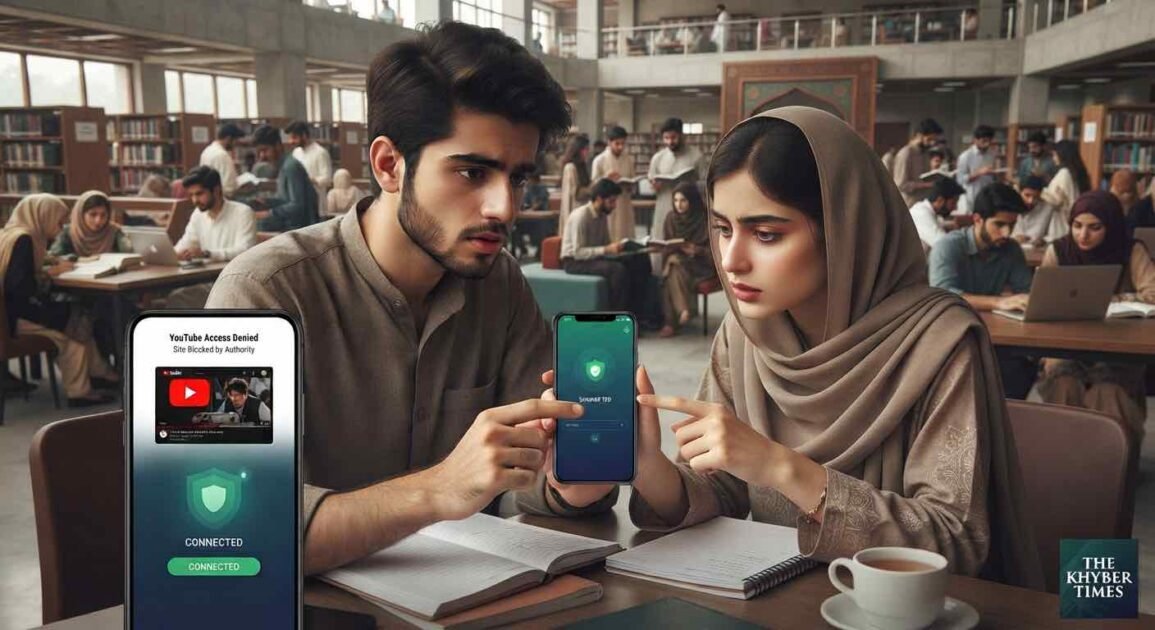
جب پاکستان میں ٹک ٹاک، فیس بک یا یوٹیوب پر پابندی لگائی جاتی ہے، تو پشاور کے طلباء کا پہلا ردعمل احتجاج نہیں بلکہ وی پی این کا استعمال ہوتا ہے۔
سپر وی پی این سے لے کر مفت ورچوئل پرائیویٹ نیٹ ورکس تک، یہ ٹولز طلباء کیلئے آن لائن لیکچرز میں شرکت، ریسرچ کرنے اور آن لائن کاروبار چلانے کا بنیادی ذریعہ بن چکے ہیں۔ لیکن یہ مفت متبادل ماہانہ 500 روپے سے بھی کہیں زیادہ بھاری قیمت پر پڑ سکتا ہے۔
نیشنل سینٹر فار سائبر سیکیورٹی (NCCS) سے تین سال سے وابستہ ماہر اور معلم محمد حماد نے بتایا، “جب آپ وی پی این استعمال کرتے ہیں، تو آپ کا ٹریفک براہ راست انٹرنیٹ پر نہیں جاتا، بلکہ وی پی این سرور کے ذریعے جاتا ہے۔ اس کا مطلب ہے کہ آپ کی تمام معلومات وی پی این کمپنی کے پاس جاتی ہیں۔”
حماد نے وضاحت کی کہ مفت وی پی این تین طریقوں سے پیسے کماتے ہیں: اشتہارات دکھانا، صارفین سے چارج کرنا، اور سب سے خطرناک طریقہ صارفین کا ڈیٹا بیچنا۔
انہوں نے مزید کہا، “کسی خطے میں پورا انٹرنیٹ بند کرنے کے بجائے، حکومت کو سخت قوانین بنانے چاہئیں اور صرف مخصوص نقصان دہ مواد یا اکاؤنٹس کو نشانہ بنانا چاہئے۔”نتاہم طلباء کیلئے یہ انتخاب مالی استطاعت کی بنیاد پر ہوتا ہے۔
بی ایس سافٹ ویئر انجینئرنگ کے طالب علم عبدالمحیط نے کہا، “میں مفت وی پی این استعمال کرتا ہوں کیونکہ ایک طالب علم کی حیثیت سے میں ماہانہ 500 یا 1000 روپے ادا نہیں کر سکتا۔ میرے موبائل میں پہلے کبھی ہیٹنگ کا مسئلہ نہیں ہوا تھا، لیکن اب انٹرنیٹ سست ہو جاتا ہے اور مجھے ناپسندیدہ اشتہارات دیکھنا پڑتے ہیں۔ طلباء کیلئے انٹرنیٹ پڑھائی اور کاروبار کیلئے بہت اہم ہے۔”
پشاور یونیورسٹی کے بی ایس کمپیوٹر سائنس کے طالب علم شاہین عباس نے بھی ایسے ہی خدشات کا اظہار کیا۔ “میں عام طور پر مفت وی پی این استعمال کرتا ہوں اور کبھی کبھار میرا موبائل سست ہو جاتا ہے۔ میں ہر وی پی این پر بھروسہ نہیں کرتا کیونکہ اس میں پرائیویسی اور سیکیورٹی کے خطرات ہوتے ہیں۔”
بہت سی طالبات کیلئے بھی مفت وی پی این ہی واحد آپشن محسوس ہوتا ہے۔
شہید بینظیر بھٹو ویمن یونیورسٹی پشاور کی طالبہ ماہنور نے کہا، “ہم سپر وی پی این استعمال کرتے ہیں، یہ مفت ہے اور ہمیں کبھی کسی مسئلے کا سامنا نہیں کرنا پڑا۔ جب بھی ٹک ٹاک، فیس بک، یوٹیوب اور دیگر پلیٹ فارمز پر پابندی لگتی ہے، ہم فوراً وی پی این استعمال کرتے ہیں۔ میں نے اس کیلئے کبھی ادائیگی نہیں کی۔ لیکن انٹرنیٹ پر پابندی لگانا ناقابلِ قبول ہے۔ اس سے ہماری تعلیم پر بہت برا اثر پڑتا ہے۔”
ماہرین کا کہنا ہے کہ “مفت اور محفوظ” ہونے کا یہ تاثر ہی دراصل طلباء کو غیر محفوظ بناتا ہے۔
by Mashal Khan:
Free VPN, Heavy Price: How Peshawar Students Are Trading Privacy for Access
As Youtube and other platforms face bans, students switch to free VPNs( Free Virtual Private Networks)to continue their studies, while cybersecurity experts warn their data is becoming the real product.
PESHAWAR: When TikTok, Facebook or YouTube is banned in Pakistan, the first response for students in Peshawar is not protest, but a VPN.
From Super VPN to free Virtual Private Networks have become the default tool for students to attend online lectures, do research, and run online businesses. But this free workaround may come at a much higher cost than Rs. 500 a month.
“When you use a VPN, your traffic does not go directly to the internet. It goes through the VPN server. That means all your information goes to the VPN company,” said Mohammad Hamad, an expert who has been teaching and working with the National Center for Cyber Security (NCCS) for three years.
Hamad explained that free VPNs make money in three ways: showing advertisements, charging users, and the most dangerous one – selling user data.
“Instead of shutting down the entire internet in a region, the government should make strict laws and target only specific harmful content or accounts,” he added.
For students, however, the choice is driven by affordability.
“I use free VPN because as a student, I cannot pay Rs. 500 or 1000 monthly,” said Abdul Mohid, a BS Software Engineering student. “My mobile never had a heating issue, but my internet becomes slow and I have to watch unwanted ads. For students, internet is important for study and business.”
Shaheen Abbas, a BS Computer Science student at the University of Peshawar, shared similar concerns. “I usually use free VPNs and sometimes my mobile becomes slow. I don’t trust every VPN because there is a privacy and security concern.
For many female students, free VPNs feel like the only option.
“We use Super VPN, it’s free and we never faced any problem,” said Mahnoor, a student at Shaheed Benazir Women University Peshawar. “Whenever TikTok, Facebook, YouTube and other platforms are banned, we immediately use VPN. I never pay for it. But banning the internet is not acceptable. It badly affects our education.”
Experts say this perception of “free and safe” is exactly what makes students vulnerable.