


تحقیق : ناصر داوڑ
عالمی طاقتوں کی بڑھتی ہوئی چپقلش اور جیو پولیٹیکل مقابلے کے اس دور میں امریکہ نے جنوب مشرقی ایشیا میں چینی اثر و رسوخ، خصوصاً بیلٹ اینڈ روڈ انیشیٹو (BRI) کے مقابلے کیلئے ایک نئی اور منظم نرم طاقت (Soft Power) کی حکمت عملی اپنا لی ہے۔ امریکی ایجنسی برائے بین الاقوامی ترقی (USAID) اور امریکی محکمہ خارجہ کی دستاویزات اور حالیہ رپورٹس سے انکشاف ہوا ہے کہ خطے کے 11 ممالک میں چینی منصوبوں کی شفافیت اور اثرات کو اجاگر کرنے کیلئے 11 ملین ڈالرز کے خصوصی فنڈز فعال کئے گئے ہیں۔
چین کے خلاف منفی پروپیگنڈا اور تاثر بنانے کیلئے یہ فنڈنگ جنوب مشرقی ایشیائی اقوام کی تنظیم (آسیان) کے 10 رکن ممالک انڈونیشیا، فلپائن، ویتنام، تھائی لینڈ، ملائیشیا، کمبوڈیا، لاؤس، میانمار، سنگاپور، برونائی اور مشرقی تیمور پر مشتمل ہے۔ یہ خطہ بحیرہ جنوبی چین (South China Sea) اور اہم تجارتی سمندری شاہراہوں پر واقع ہونے کی وجہ سے واشنگٹن اور بیجنگ دونوں کیلئے شدید سٹریٹجک اہمیت کا حامل ہے۔
امریکی پروگرام “Countering PRC Malign Influence” کے تحت یہ رقم براہِ راست عسکری یا سیاسی مقاصد کے بجائے صحافتی، تحقیقی اور عوامی ذرائع کے ذریعے خرچ کی جا رہی ہے:
1. تحقیقاتی صحافت اور میڈیا گرانٹس: خطے کے مقامی اور آزاد میڈیا اداروں کو فنڈنگ فراہم کی جا رہی ہے تاکہ وہ چین کے اربوں ڈالرز کے بنیادی ڈھانچے، بندرگاہوں اور ریلوے منصوبوں کی مالیاتی شرائط، قرضوں کے بوجھ اور ماحولیاتی اثرات پر تفصیلی تحقیقاتی رپورٹس شائع کریں۔
2. ڈیٹا ٹریکنگ اور تھنک ٹینکس: یونیورسٹیوں اور پالیسی ریسرچ اداروں کو گرانٹس دی جا رہی ہیں تاکہ وہ چینی سرمایہ کاری اور بحیرہ جنوبی چین میں بیجنگ کی بحری و سیکیورٹی پیش رفت کا درست ڈیٹا اکٹھا کر کے عالمی سطح پر پیش کریں۔
3. سول سوسائٹی اور مقامی احتجاجی آوازیں: دریائے میکونگ (Mekong River) پر چین کے ڈیموں کی تعمیر سے متاثرہ مقامی آبادیوں اور ماحولیاتی این جی اوز کی معاونت کی جا رہی ہے تاکہ وہ ان منصوبوں کی شفافیت کیلئے قانونی اور عوامی سطح پر آواز اٹھا سکیں۔
4. ڈیجیٹل بیانیہ: چین کے سرکاری میڈیا (مثلاً CGTN اور Xinhua) کے مقابلے میں مقامی زبانوں میں ڈیجیٹل مواد اور تجزئیے عام کئے جا رہے ہیں تاکہ عوام میں امریکی و علاقائی موقف کو پذیرائی مل سکے۔
اس حکمت عملی کا سب سے زیادہ اثر فلپائن، کمبوڈیا، لاؤس اور ویتنام میں دیکھا جا رہا ہے۔ فلپائن میں جہاں سیکیورٹی کشیدگی بلند سطح پر ہے، وہاں بحری حدود اور چینی سرمایہ کاری پر عوامی بحث کو متحرک کیا گیا ہے، جبکہ کمبوڈیا اور لاؤس میں چینی قرضوں کے نفاذ اور ماحولیاتی خدشات پر توجہ مرکوز ہے۔
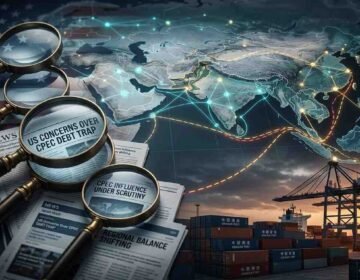
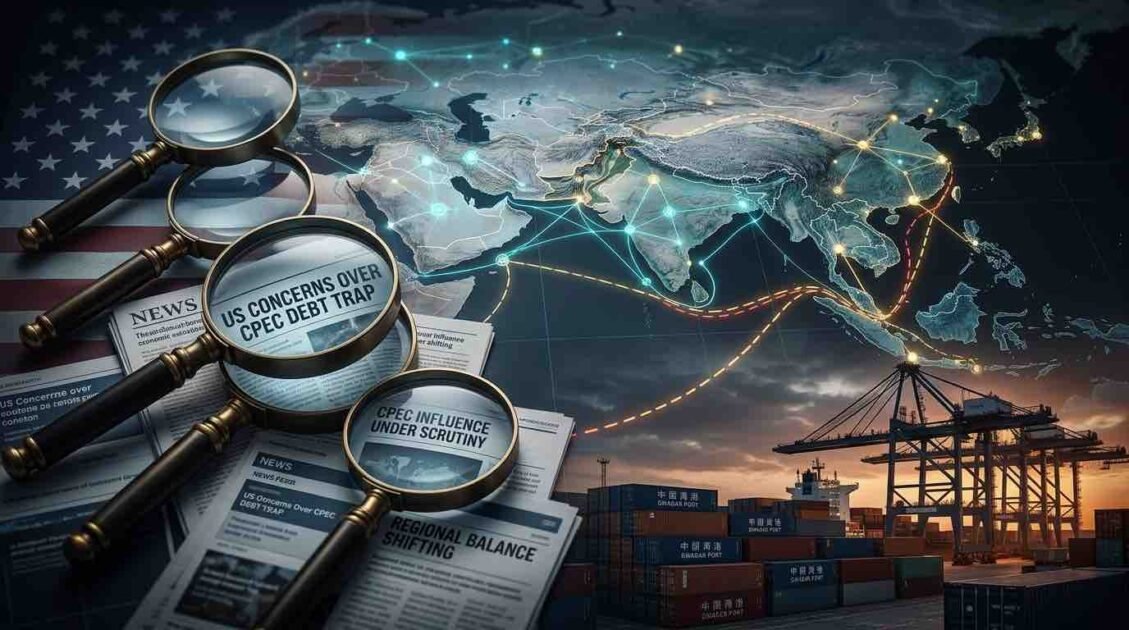
جنوب مشرقی ایشیا میں اپنایا جانے والا یہ ‘میڈیا و انفارمیشن وارفیر’ ماڈل صرف اسی خطے تک محدود نہیں ہے۔ اسی نوعیت کی امریکی گرانٹس اور تحقیقاتی فنڈنگ پروگرام جنوبی ایشیا اور بالخصوص پاکستان میں ‘پاک چین اقتصادی راہداری’ (CPEC) کے شفافیت سے متعلق بیانئے پر بھی اثر انداز ہو رہے ہیں، جہاں بین الاقوامی ادارے مقامی صحافتی نیٹ ورکس اور تھنک ٹینکس کے ساتھ مل کر سرمایہ کاری کے شفاف جائزوں کی حوصلہ افزائی کرتے ہیں۔
The Great Game of Soft Power: How Information Warfare Shapes the Dragon’s Footprint from Southeast Asia to KP
By Nasir Dawar
Chief Editor & Lead Researcher, The Khyber Times
Published: September 7, 2026 | Category: Geopolitics & Regional Affairs | Reading Time: 4 mins
EDITORIAL SUMMARY: As global power projection shifts from traditional hard deterrence to subtle soft-power narratives, recent disclosures highlight an expanding web of foreign-funded media and civil society initiatives. From the ASEAN corridors to the strategic landscapes of Khyber Pakhtunkhwa and Balochistan, the battle for influence is increasingly fought through headlines, grants, and digital commentary.
In the contemporary arena of global geopolitics, superpower rivalries are no longer contested solely through military deployments or trade embargoes. Today’s premier battleground is informational a strategic contest over narratives, public perception, and institutional trust.
Recent investigations highlighted by international media, including The Guardian, have shed light on the mechanics of this silent war. Under targeted funding frameworks such as the U.S. State Department and USAID’s Countering PRC Malign Influence initiatives millions of dollars are being channeled through non-governmental organizations, media production hubs, and policy think tanks. While the surface objective is framed as promoting transparency and institutional accountability, the underlying vector is clear: curbing China’s expanding global footprint under the Belt and Road Initiative (BRI).
The Southeast Asian Blueprint
The structural blueprint of this strategy was tested and refined across Southeast Asia. Spanning 11 nations comprising the ten ASEAN member states alongside Timor-Leste a targeted $11 million framework was deployed to scrutinize Chinese infrastructure investments, maritime claims in the South China Sea, and bilateral debt terms.
This soft-power mechanism operates across four distinct pillars:
-
Investigative Media Grants: Direct funding provided to local newsrooms and investigative journalists to analyze the financial, environmental, and contractual nuances of Chinese infrastructure projects.
-
Data-Driven Policy Tracking: Support for research institutes and university departments to monitor Chinese naval movements, digital infrastructure footprints, and resource extraction.
-
Civil Society Mobilization: Financial and logistical assistance for local grassroots organizations—most notably along the Mekong River basin—to challenge upstream dam construction and environmental compliance.
-
Counter-Narrative Production: Localized digital campaigns designed to counterbalance Chinese state-backed media networks such as Xinhua and CGTN.
The Pakistan Front: Focus on Balochistan and KP
For analysts monitoring the China-Pakistan Economic Corridor (CPEC), the patterns observed in Southeast Asia offer a striking parallel to developments within Pakistan. As CPEC transitions into its secondary phase focusing on industrial zones, agricultural modernization, and mineral extraction the informational warfare surrounding these projects has intensified.
The strategic focus of this counter-narrative campaign converges primarily on two provinces: Balochistan and Khyber Pakhtunkhwa (KP).
+-------------------------------------------------------------------+
|               THE DUAL-FRONT INFORMATION STRATEGY                  |
+---------------------------------+---------------------------------+
|      SOUTHEAST ASIA (ASEAN)     |        PAKISTAN (KP & BALOCHISTAN)|
+---------------------------------+---------------------------------+
| • Mekong Basin Environmental    | • CPEC Transit Routes & Mines   |
|   Impact Studies                |   Transparency Audits           |
| • South China Sea Maritime      | • Gwadar Port & Security        |
|   Data Tracking                 |   Cost Analysis                 |
| • Debt Sustainability Audits    | • Local Community Grievance     |
|   in ASEAN Capital Cities       |   Amplification                 |
+---------------------------------+---------------------------------+
In Balochistan, critical infrastructure surrounding Gwadar Port, deep-sea connectivity, and mineral extraction ventures like Reko Diq and Saindak remain under intense international scrutiny. In Khyber Pakhtunkhwa, key transit corridors, energy projects, and special economic zones (SEZs) serve as focal points.
Through targeted grants, digital fellowship programs, and independent research forums, international funding mechanisms actively encourage deep dives into debt transparency, local community displacement, environmental degradation, and security expenditures related to CPEC.
The Journalist’s Dilemma: Accountability vs. Geopolitical Utility
This influx of foreign interest creates a complex ethical paradox for local journalism in KP and Balochistan.
On one hand, local communities genuinely require rigorous, independent journalism that asks hard questions about economic viability, environmental safeguards, fair labor practices, and revenue distribution. Scrutinizing public development projects regardless of whether they are funded by Beijing, Western multilateral institutions, or the federal government is a core duty of a free press.
On the other hand, local outlets and reporters risk being caught in the crossfire of foreign geopolitical agendas. When critical reporting is funded and directed by external powers aiming to undermine a specific rival, independent journalism runs the risk of being weaponized into an instrument of strategic policy.
Looking Ahead
For Pakistan, navigating this era of foreign-funded narrative management requires extreme institutional clarity and uncompromising journalistic integrity.
-
For Policy Makers: The most effective defense against foreign counter-narratives is genuine local transparency. Proactively publishing project details, environmental assessments, and local employment data deprives external actors of speculative leverage.
-
For Local Newsrooms: Media houses across KP and Pakistan must uphold rigorous editorial independence. Exposing flaws in development projects must stem from a commitment to public interest and local accountability not from the strategic priorities of external grantmakers.
As the rivalry between global superpowers continues to escalate, The Khyber Times remains committed to providing ground-level, objective analysis that serves the people of the region above all else.
About the Author: Nasir Dawar is the Chief Editor and Lead Researcher at The Khyber Times, specializing in regional security and geopolitical affairs. He can be reached at dawarjan@gmail.com.