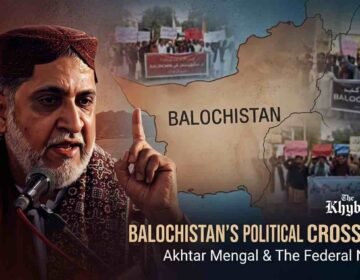


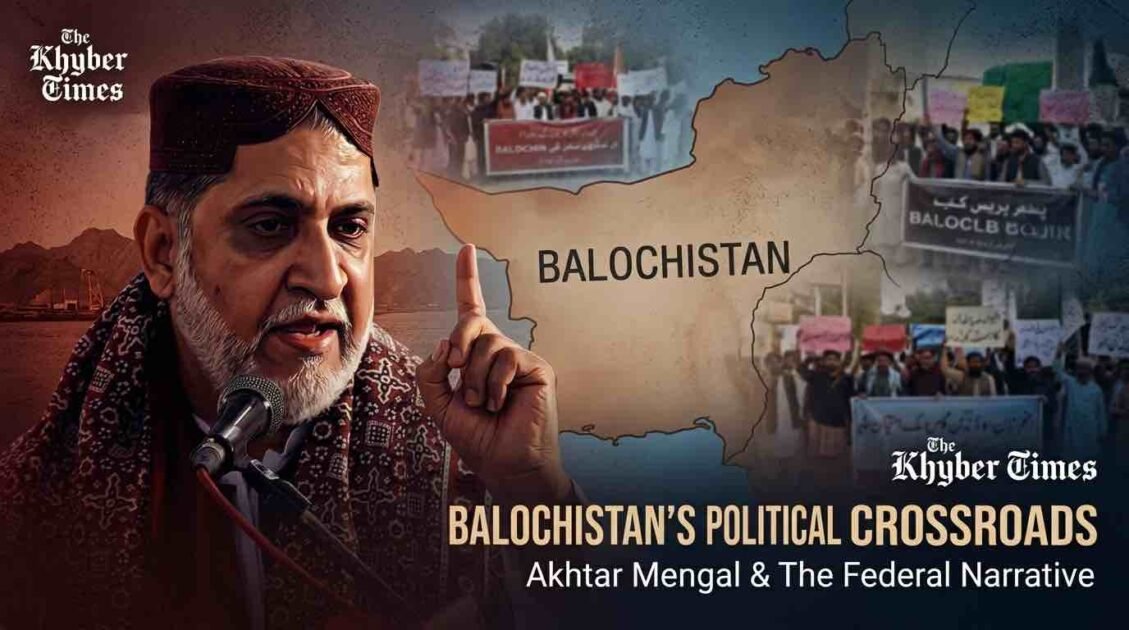
پشاور ( دی خیبر ٹائمز مانیٹرنگ ڈیسک) بلوچستان کی سیاست ایک ایسے دوراہے پر کھڑی دکھائی دیتی ہے جہاں دہائیوں پرانی محرومیوں کے شکوے اور ریاستی رٹ برقرار رکھنے کے تقاضے آمنے سامنے ہیں۔ اسی کشمکش کی تازہ ترین کڑی بلوچستان نیشنل پارٹی کے سربراہ سردار اختر مینگل نے کہا ہے کہ اب بلوچستان کے پاس علیحدگی کے سوا کوئی راستہ نہیں بچا، اور دونوں فریق پُرامن ہمسایوں کی طرح رہ سکتے ہیں۔ یہ بیان محض ایک سیاسی ردعمل نہیں بلکہ اس طویل سیاسی مایوسی کا عکاس ہے جو 2024 میں قومی اسمبلی کی رکنیت سے ان کے استعفٰے پر منتج ہوئی تھی۔ اختر مینگل اور ان کے حامی حلقوں کا مؤقف رہا ہے کہ وفاقی پارلیمانی نظام میں بلوچستان کے بنیادی مسائل، بالخصوص جبری گمشدگیوں، سیاسی نظراندازی اور قدرتی وسائل پر مقامی اختیارپر سنجیدہ توجہ نہیں دی گئی، جس کے باعث سوشل میڈیا پر #FreeBalochistan جیسے نعروں کو تقویت ملتی ہے۔
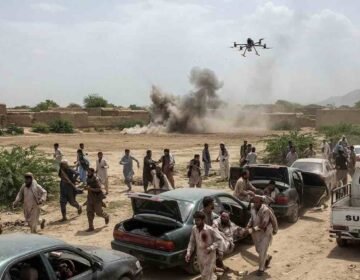
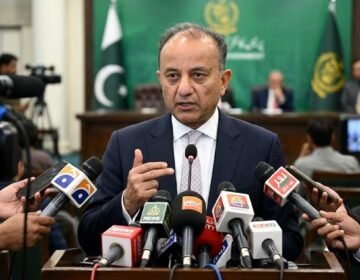
تاہم اس تصویر کا دوسرا رخ ریاستی اور وفاقی حلقوں کے مؤقف سے جڑا ہوا ہے جو اس بیانئے کو زمینی حقائق کے منافی قرار دیتے ہیں۔ حکومتی عہدیداروں اور سیکیورٹی اداروں کے نزدیک بلوچستان میں جاری آپریشنز کا ہدف عام شہری نہیں بلکہ وہ مسلح شدت پسند تنظیمیں ہیں جو ترقیاتی منصوبوں، بنیادی ڈھانچے اور بے گناہ شہریوں کو نشانہ بناتی ہیں۔ ریاستی حلقے اس بات پر زور دیتے ہیں کہ صوبے میں امن و امان کے قیام کے ساتھ ساتھ سول اور عسکری اداروں کی جانب سے عوامی فلاح و بہبود، تعلیمی وظائف اور بنیادی ڈھانچے کی تعمیر کے متعدد منصوبے جاری ہیں، جبکہ مقامی آبادی کی اکثریت علیحدگی پسند علامتوں اور شدت پسندی کو مسترد کرتے ہوئے آئینی دائرے میں رہتے ہوئے ترقی اور روزگار کے مواقع کی خواہاں ہے۔
دوسری جانب، غیر جانبدار سیاسی تجزیہ کار اس صورتحال کو بلوچستان کے داخلی تنوع کے تناظر میں دیکھتے ہیں۔ ان کے نزدیک بلوچستان کوئی یک رنگی سیاسی اکائی نہیں بلکہ یہاں بلوچ اور پشتون سمیت مختلف لسانی و قبائلی اکائیاں آباد ہیں، جن کی سیاسی ترجیحات بھی ایک دوسرے سے مختلف ہیں۔ جہاں ایک طبقہ وفاق سے مکمل بیزاری کا اظہار کرتا ہے، وہیں صوبے کی دیگر بڑی سیاسی قوتیں اور عوامی حلقے مسئلے کا حل جغرافیائی تقسیم کے بجائے 18ویں آئینی ترمیم پر حقیقی عملدرآمد، وسائل کی منصفانہ تقسیم اور مقامی سطح پر اختیارات کی منتقلی میں تلاش کرتے ہیں۔ یوں سردار اختر مینگل کا بیان ایک طرف بڑھتی ہوئی سیاسی تلخی کو بے نقاب کرتا ہے تو دوسری طرف وفاق اور صوبے کے درمیان اعتماد سازی اور مکالمے کی فوری ضرورت کو بھی اجاگر کرتا ہے۔
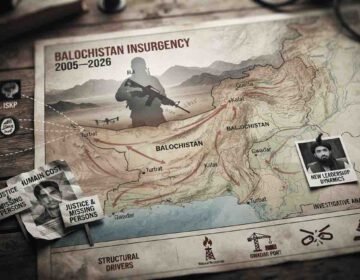
یہ بھی ملاحظہ کیجئے: بلوچستان کی سیکیورٹی صورتحال، شدت پسندی کے محرکات اور مسلح تنظیموں کی حقیقت
Summary
Balochistan at a Political Crossroads: Akhtar Mengal’s Remarks, Grievances of Marginalization, and the Federal Narrative
Balochistan’s political landscape stands at a critical juncture where decades-old grievances over resource control and governance collide with the state’s imperative to maintain stability. The latest flashpoint is a statement by Balochistan National Party (BNP-M) chief Sardar Akhtar Mengal, asserting that separation remains the only viable path for Balochistan and suggesting that both sides could coexist as peaceful neighbors. This rhetoric reflects deep-seated political disillusionment that culminated in his 2024 resignation from Pakistan’s National Assembly, driven by perceived parliamentary indifference toward enforced disappearances, political exclusion, and provincial autonomy sentiments often amplified online under hashtags like #FreeBalochistan.
Conversely, federal authorities and security institutions reject this narrative, maintaining that ongoing counter-terrorism operations target armed militant groups attacking civilians and infrastructure rather than the general population. Proponents of national integration emphasize ongoing socioeconomic development, educational quotas, and community outreach initiatives, arguing that the majority of locals reject separatist symbols in favor of peace and economic progress within the constitutional framework. Meanwhile, independent analysts point out that Balochistan is politically and ethnically diverse, encompassing both Baloch and Pashtun populations whose mainstream parties largely advocate for genuine implementation of the 18th Constitutional Amendment and fair resource distribution rather than secession, underscoring the urgent need for trust-building and political dialogue.
About the AuthorNasir Dawar is a senior journalist, regional security researcher, and digital media publisher based in Peshawar and Islamabad. He is the founder and editor of The Khyber Times and a researcher at the Center for Research and Security Studies (CRSS), specializing in political, security, and socio-economic developments across Khyber Pakhtunkhwa, the former tribal districts, and Afghanistan. Contact: dawarjan@gmail.com